
- Index
- Brand
- 21st Century Toys (12)
- Alert Line (19)
- Army (10)
- Arsa (10)
- Bolt Action (11)
- Did (19)
- Doxa (7)
- Dragon (36)
- Dragon Models (7)
- Forces Of Valor (33)
- Glycine (9)
- Handmade (46)
- Helios (8)
- Helvetia (22)
- King & Country (47)
- No Brand (8)
- Solido (8)
- Ultimate Soldier (11)
- Warlord Games (26)
- Zenith (12)
- Other (3967)
- Conflict
- Indices
- Movement
- Theme
- Type
- Action Figure (89)
- Badge (21)
- Badges (13)
- Binoculars (33)
- Boot (16)
- Coat (91)
- Equipment (12)
- Field Gear (182)
- Hat / Cap (58)
- Helmet (23)
- Infantry (12)
- Jacket (106)
- Personal Gear (75)
- Ring (22)
- Soldier (16)
- Tactical Sling (26)
- Tank (48)
- Uniform (49)
- Uniform / Clothing (121)
- Wristwatch (121)
- Other (3194)
WWII German Army Medical Manual Truppenhygiene im Winter 1942 Original Document
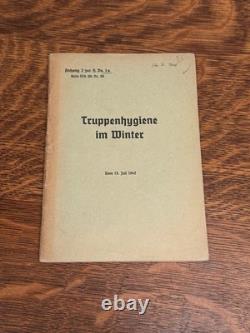

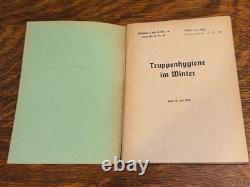
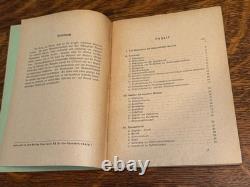
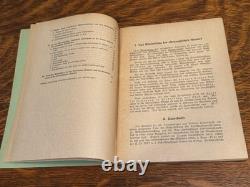
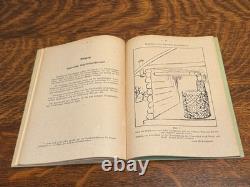
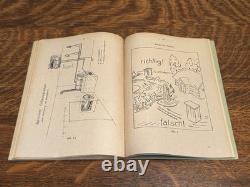
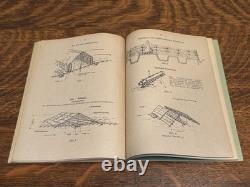
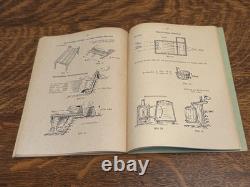
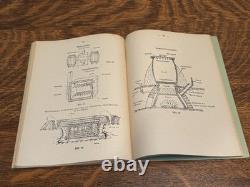
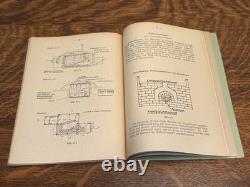
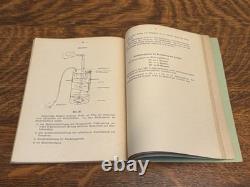
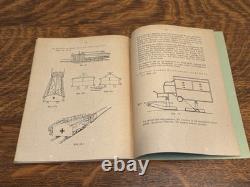

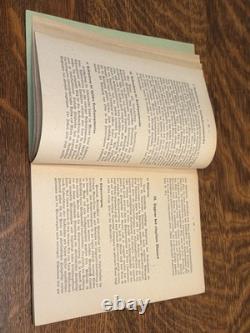
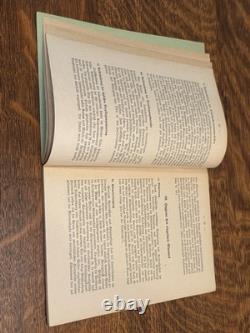

WWII German Wehrmacht Manual: Truppenhygiene im Winter (1942) - Original. Offered is an original 1942 edition of Truppenhygiene im Winter, a specialized manual issued by the German Wehrmacht to address the extreme environmental challenges faced by soldiers during the Eastern Front campaigns.
This 80-page document serves as Anhang 2 zur H. 1a (Appendix 2 to the Army Service Regulation 1a), a designation used for specific Merkblätter (instructional leaflets/manuals) regarding specialized training and operational needs. The manual provides comprehensive guidance on winter survival, including shelter construction, sanitation, food storage, hygiene, and medical transport in sub-zero conditions.
It is heavily illustrated with technical diagrams showing how to build improvised heaters, latrines, and protective shelters, as well as field-expedient medical sleds. This is a rare, authentic piece of WWII military history, printed by the Gallus Druckerei in Berlin-Charlottenburg. The manual was published by the German Wehrmacht, the unified armed forces of Nazi Germany, specifically as part of their standardized instructional material system (Heeres-Druckvorschriften). Context: The manual was dated July 15, 1942, in the lead-up to the second winter of the German invasion of the Soviet Union. Following the near-collapse of the German army during the harsh winter of 1941/42, the military command recognized a critical need to better train troops in basic cold-weather survival and sanitation.1a Designation: This refers to the Verzeichnis der Merkblätter, Richtlinien usw. Des Heeres Directory of Army Leaflets, Guidelines, etc.
These manuals were essential for disseminating rapidly changing technical information to field units that were not covered in standard, permanent service regulations. Content Focus: Beyond basic hygiene, the manual offers insight into the grim realities of the Eastern Front, featuring instructions for "improvised" equipment built from basic supplies like oil drums and salvaged lumber, reflecting the severe supply shortages faced by the Wehrmacht.